NOODLE EQUIPMENT BUYER GUIDE
Commercial Noodle Maker vs Cold Noodle Machine: Workflow Differences for Buyers
A commercial noodle maker and a cold noodle machine can both support fresh noodle production, but they are selected for different menu workflows. Buyers should compare the dough, required noodle result, forming or pressing step, cooking arrangement and site conditions before requesting a quotation.
· YIHUI Food Machinery
1. Start with the finished noodle result
The first question is not which machine name sounds more complete. Describe the noodle result required by the menu: ramen-style noodles, fine or wide noodles, fresh-pressed cold noodles, or another format supported by the selected die. The required result determines which forming or pressing arrangement should be reviewed.
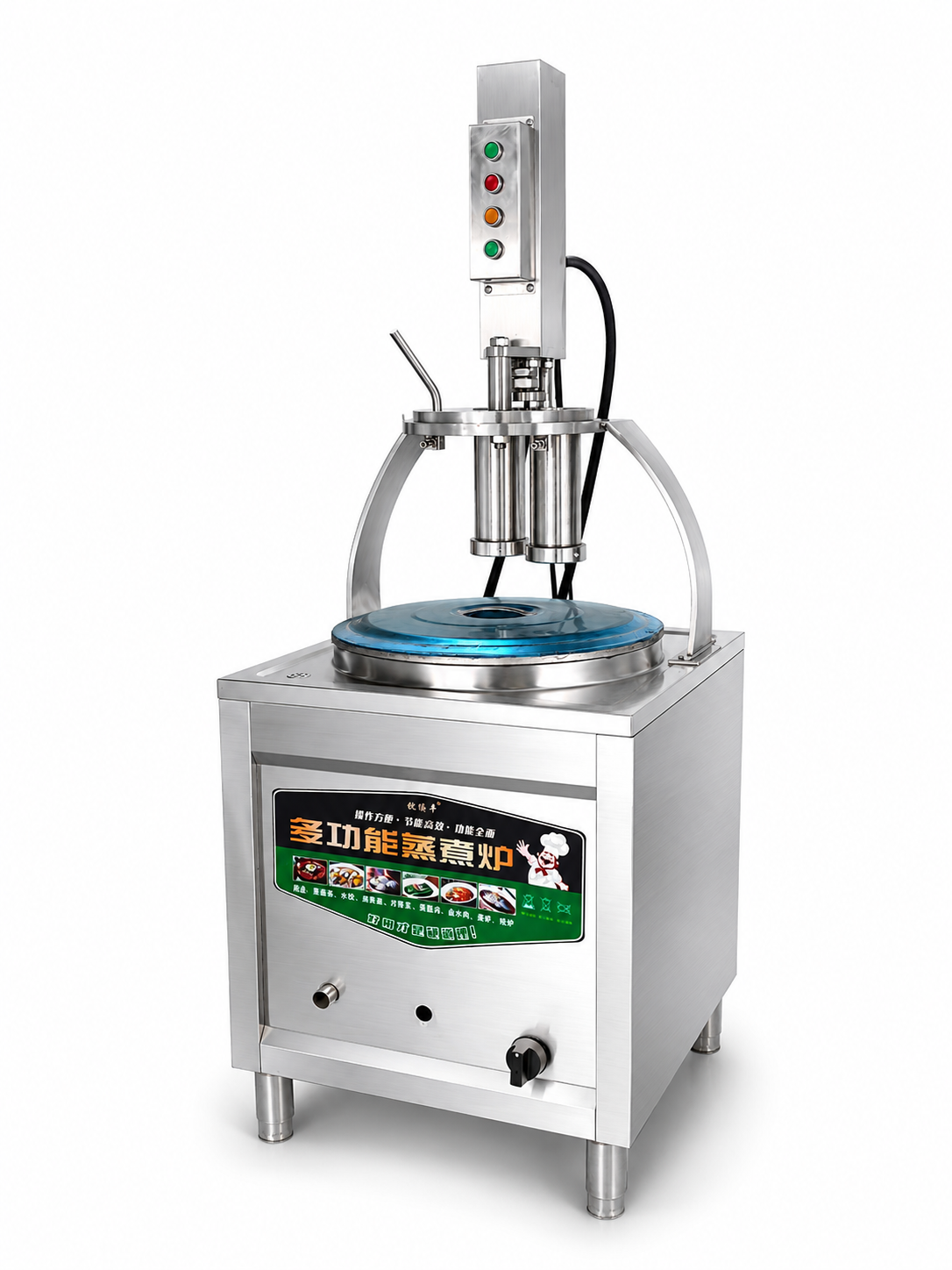
YIHUI's Smart Commercial Noodle Maker is presented for restaurant, chain and central-kitchen noodle workflows. The Fresh-Pressed Cold Noodle Machine combines pressing and cooking steps for a cold-noodle workflow. Confirm the available die and final configuration before ordering.
2. Compare the dough and preparation step
Prepare the dough information before asking for a quote. Include the recipe, dough condition before loading, resting process and whether mixing is handled by a separate commercial dough mixer. These details help a supplier discuss the right equipment sequence without assuming an unverified capacity or recipe result.
If the planned process needs mixing before forming, review the dough mixer and noodle machine together. If the process starts with prepared dough and moves directly into pressing and cooking, explain that sequence clearly when requesting a cold-noodle machine quotation.
3. Map the workflow from forming to cooking
A commercial noodle maker enquiry should explain how noodles move from dough preparation to forming, collection and the cooking station. Check where the operator loads dough, where noodles are received and how a die change is handled in the selected configuration.
For a fresh-pressed cold noodle machine, describe the connection between pressing, cooking, draining and serving. The required water, drainage and receiving areas are part of the site review. They should be confirmed together with the machine configuration rather than assumed from a product photo.
4. Check space, power and cleaning access
Measure the planned floor or countertop area and leave access for loading, receiving noodles, routine inspection and cleaning. A machine that fits the footprint may still need a clear operator position and a practical route for ingredients and finished noodles.
Before ordering, provide the available power supply and the cleaning routine for food-contact areas, pressing parts, dies and cooking areas. Final electrical, safety and cleaning procedures must follow the instructions supplied with the selected configuration.
5. Use one application brief to compare suppliers
Send each supplier the same information: menu and noodle result, dough condition, required die, forming or pressing workflow, cooking and drainage arrangement, available space, power supply and cleaning access. Ask for the exact configuration, included accessories and available operating documents.
Do not compare a commercial noodle maker and a cold noodle machine only by headline price or a generic capacity claim. A reliable comparison matches the machine to the actual workflow and records which specifications still need confirmation. YIHUI can review the application details before discussing a suitable noodle-processing equipment configuration.