COMMERCIAL RAMEN MACHINE BUYING GUIDE
How to Choose a Commercial Ramen Machine? 2026 Buying Guide & YIHUI Advantages
A commercial ramen machine should be selected around the real dough process, noodle format, work area and cleaning routine. This 2026 buying guide explains how restaurants, canteens and central kitchens can prepare a clear enquiry for YIHUI noodle equipment without relying on unconfirmed output, certification, price or performance claims.
· YIHUI Food Machinery
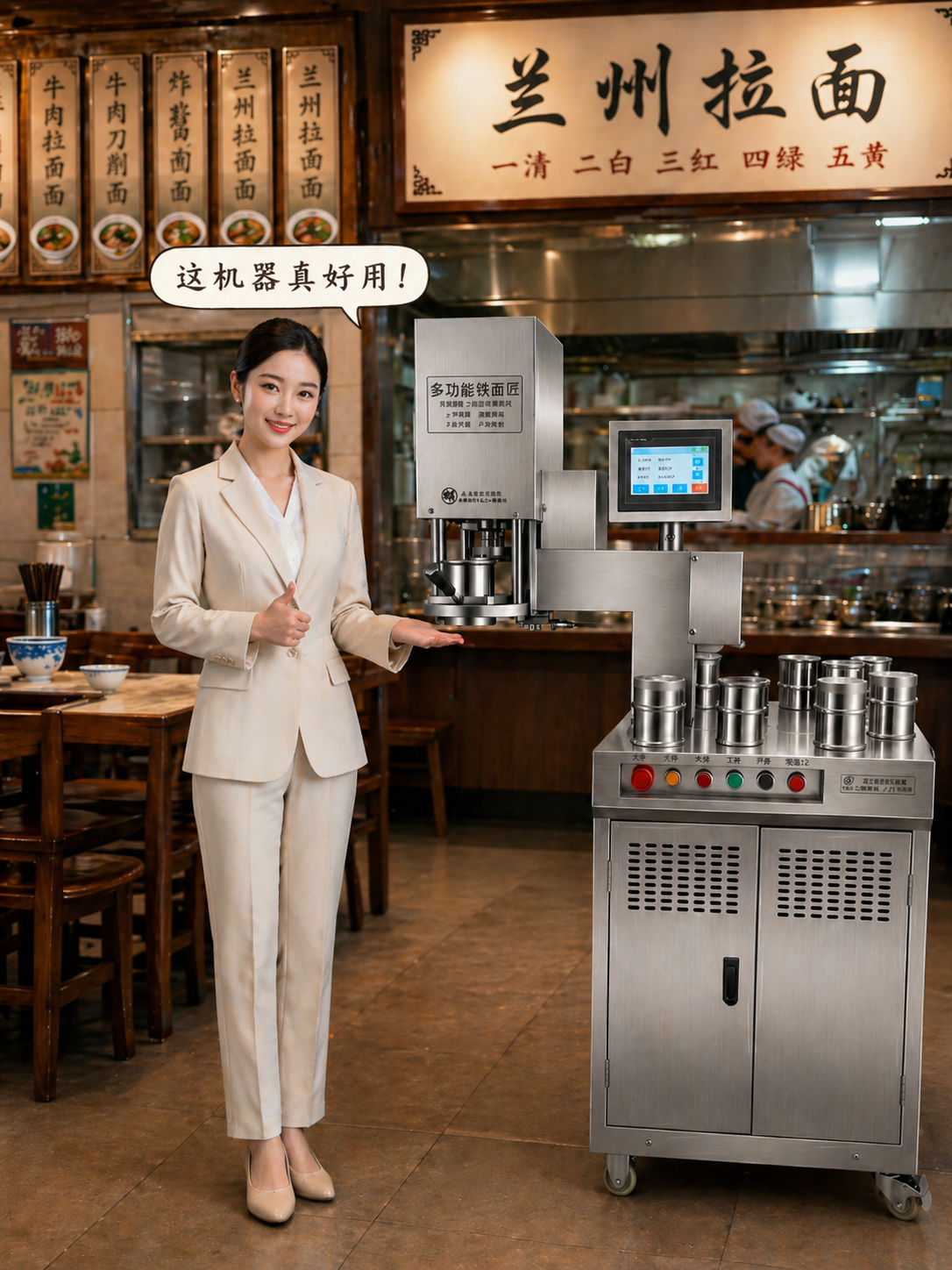
1. Define the operating scenario before choosing a machine
Handmade ramen can preserve a distinctive process, but it may be difficult to repeat during peak service if texture, timing and staff technique vary. A commercial ramen machine should be evaluated as part of a complete workflow: dough mixing, resting, sheeting, forming or cutting, collection, cooking and cleaning.
Before comparing equipment, describe whether the machine will support a noodle shop, restaurant kitchen, canteen, compact kitchen or central-kitchen workflow. The suitable YIHUI configuration depends on the actual dough, noodle result, available space and the steps before and after forming.
2. Compare the key selection criteria
Capacity and production speed should be discussed as confirmed specifications for the proposed configuration, not guessed from general product copy. Share the expected service rhythm, batch routine and peak-period workflow so the supplier can review whether the selected equipment category is suitable.
Material and food-safety requirements also need to be confirmed for the final machine. Existing YIHUI product information documents stainless-steel body or food-contact areas on relevant noodle equipment, but exact material grade, certification, voltage and accessories should be requested in the quotation.
- Dough recipe, hydration and resting condition before loading
- Required noodle format, thickness or cutting result
- Work area for loading, collection, operator access and cleaning
- Available power supply and installation conditions
- Specifications, material details and documentation to confirm before ordering
3. Protect noodle texture through process planning
Ramen texture depends on more than the machine name. Dough recipe, resting time, sheeting sequence, cutting method and cooking procedure all influence elasticity and consistency. A practical enquiry should explain the intended texture and provide sample photos or a short process video when possible.
YIHUI noodle equipment includes documented options such as the Smart Commercial Noodle Maker, Commercial Dough Mixer, Artisan High-Speed Dough Sheeter and Commercial Knife-Cut Noodle Machine. These categories can support different parts of the noodle-making process, but the final effect must be tested and confirmed against the buyer's own recipe and operation.
4. Review automation and daily cleaning
Digital controls, touch operation, mobile cabinets, die changes or compact installation can make a workflow easier to organise when those features apply to the selected product. Treat them as configuration points to confirm, because not every machine category includes the same controls, cutter dies or installation format.
Cleaning access should be planned before purchase. Ask how food-contact areas, rollers, dies, bowls and receiving areas are accessed, and confirm the correct cleaning routine in the final manual. Power should be disconnected before working near moving, sheeting, forming or cutting areas.
5. Use a comparison table for procurement review
The table below is a practical way to compare a generic traditional approach with a confirmed YIHUI proposal. It should be used as a quotation checklist, not as a claim that every configuration includes every feature.
- Sheeting precision: compare manual or rough adjustment with the confirmed adjustment method available on the proposed YIHUI equipment
- Noodle-form flexibility: confirm whether the selected dies or cutter options support ramen, knife-cut noodles, cold noodles or other menu formats
- Ease of operation: compare staff-dependent steps with the documented automatic or semi-automatic controls for the chosen configuration
- Space footprint: compare floor space, compact models, wall-mounted installation or mobile cabinet options where they are available and suitable
6. Why discuss your project with YIHUI?
YIHUI presents a broad noodle-equipment catalog covering noodle makers, dough mixers, dough sheeters, knife-cut noodle machines, wall-mounted noodle makers and cold-noodle equipment. This allows buyers to discuss the whole process rather than selecting one isolated machine name.
For a useful commercial ramen machine enquiry, send the dough recipe, target noodle format, workflow diagram, available installation space, power conditions and cleaning requirements. YIHUI can then review relevant equipment information and provide configuration details that should be confirmed before ordering.