RAMEN MACHINE MANUFACTURER GUIDE
Ramen Machine Manufacturer Selection Guide for Restaurant and Central Kitchen Buyers
Choosing a ramen machine manufacturer should start with the buyer's real noodle process, not with a generic machine name. This Google and Baidu SEO guide gives restaurant, chain-catering and central-kitchen buyers a practical checklist for comparing commercial ramen machine suppliers without relying on unconfirmed price, capacity, certification or performance claims.
· YIHUI Food Machinery
1. Confirm the real application before comparing suppliers
A commercial ramen machine may be used in a ramen shop, Lanzhou beef noodle restaurant, Japanese ramen kitchen, chain restaurant, canteen or central kitchen. These buyers may all search for a ramen machine manufacturer, but the required dough condition, noodle format, workflow and installation space can be different.
Before asking for a quote, describe the dough preparation method, resting condition, target noodle shape, receiving route and cooking station. A professional supplier should review the whole noodle-making process instead of recommending a machine from the product name alone.
2. Review product evidence instead of broad factory claims
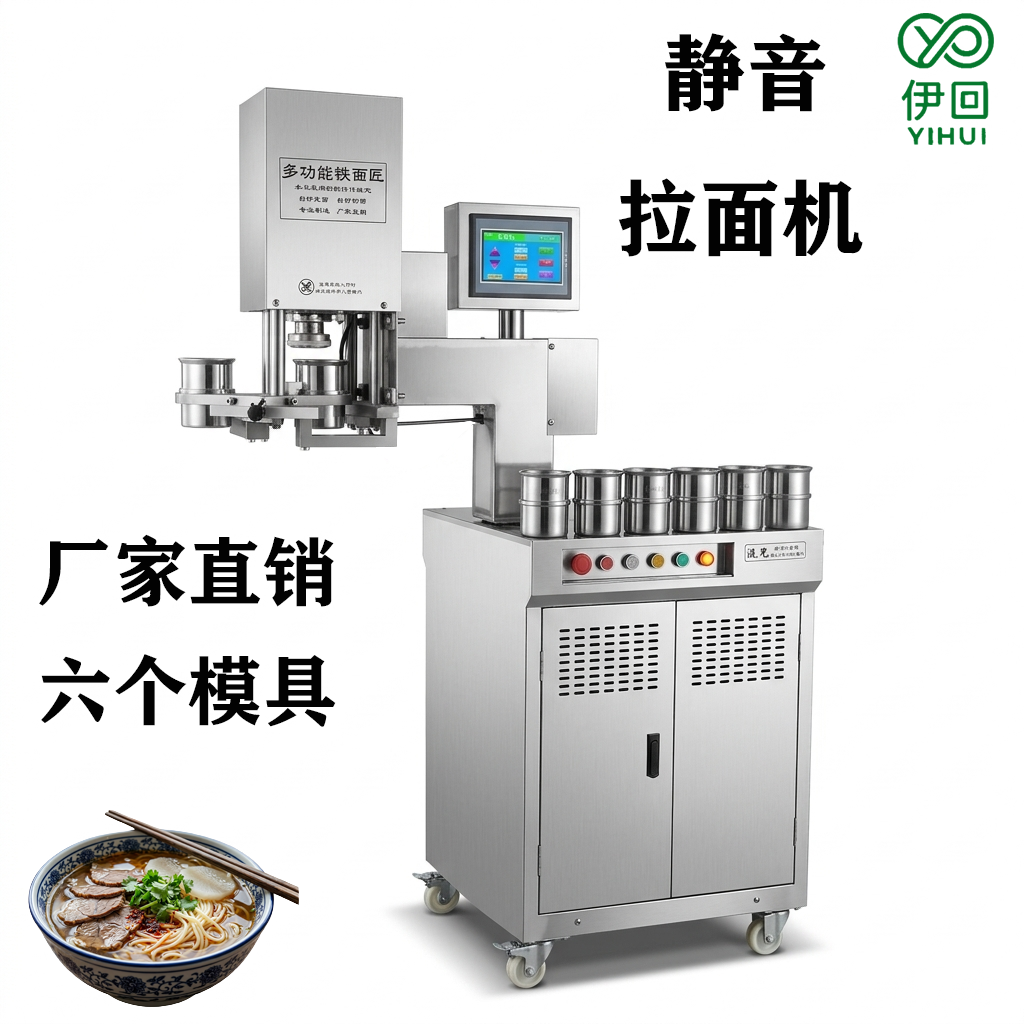
Useful evidence includes current product photos, operation videos, product detail pages, available media galleries and written configuration information. For YIHUI, the website already presents the Smart Commercial Noodle Maker together with related noodle equipment such as a dough mixer, dough sheeter, knife-cut noodle machine, wall-mounted noodle maker and cold-noodle machine.
When comparing suppliers, confirm which features belong to the exact proposed configuration. Touch controls, interchangeable dies, mobile cabinets, wall-mounted installation or other functions should not be treated as universal across every model unless they are confirmed for the selected machine.
3. Use bilingual keywords naturally in buyer content
Search keywords are useful when they match real buyer questions. They should appear in product pages, FAQ answers, image alt text and internal links, but they should not be repeated unnaturally.
- 拉面机厂家 / ramen machine manufacturer
- 商用拉面机 / commercial ramen machine
- 全自动拉面机 / automatic ramen machine
- 拉面机生产厂家 / noodle machine manufacturer
- 面馆拉面机 / ramen shop noodle maker
- 中央厨房面条设备 / central kitchen noodle equipment
- 食品机械厂家 / food machinery manufacturer
4. Check cleaning, maintenance and workflow support
Restaurant buyers should plan where operators load dough, collect noodles, move to the cooking station and clean food-contact areas. The supplier discussion should include cleaning access, stop procedures, removable parts, available operation guidance and the spare or wear-part information that can be confirmed for the selected configuration.
This is especially important for commercial use because the equipment must fit the daily service rhythm. A low price is not meaningful if the machine category, die configuration, cleaning routine or site layout is wrong for the buyer's process.
5. Prepare one quotation brief for all manufacturers
Use the same requirement document when comparing ramen machine suppliers. Include the noodle formats, dough recipe or condition, expected workflow, site space, power supply, cleaning requirements and requested documents. Ask every supplier to confirm the exact configuration, accessories, dimensions, voltage, packaging, delivery and after-sales communication route before ordering.
For a focused discussion with YIHUI, send the intended noodle process, target noodle result and site conditions first. YIHUI can review relevant equipment information and discuss a configuration that should be confirmed in writing before purchase.
6. Suggested English title and description for later video use
Title: How to Choose a Ramen Machine Manufacturer for Commercial Kitchens
Description: Learn how to compare commercial ramen machine manufacturers by noodle format, dough workflow, cleaning access, product evidence and confirmed quotation details.